Patio Installation Cost in London: Materials & Prices for 2026
Porcelain, natural stone, or decking? A practical guide to patio costs per square metre and what to expect from a London garden project.
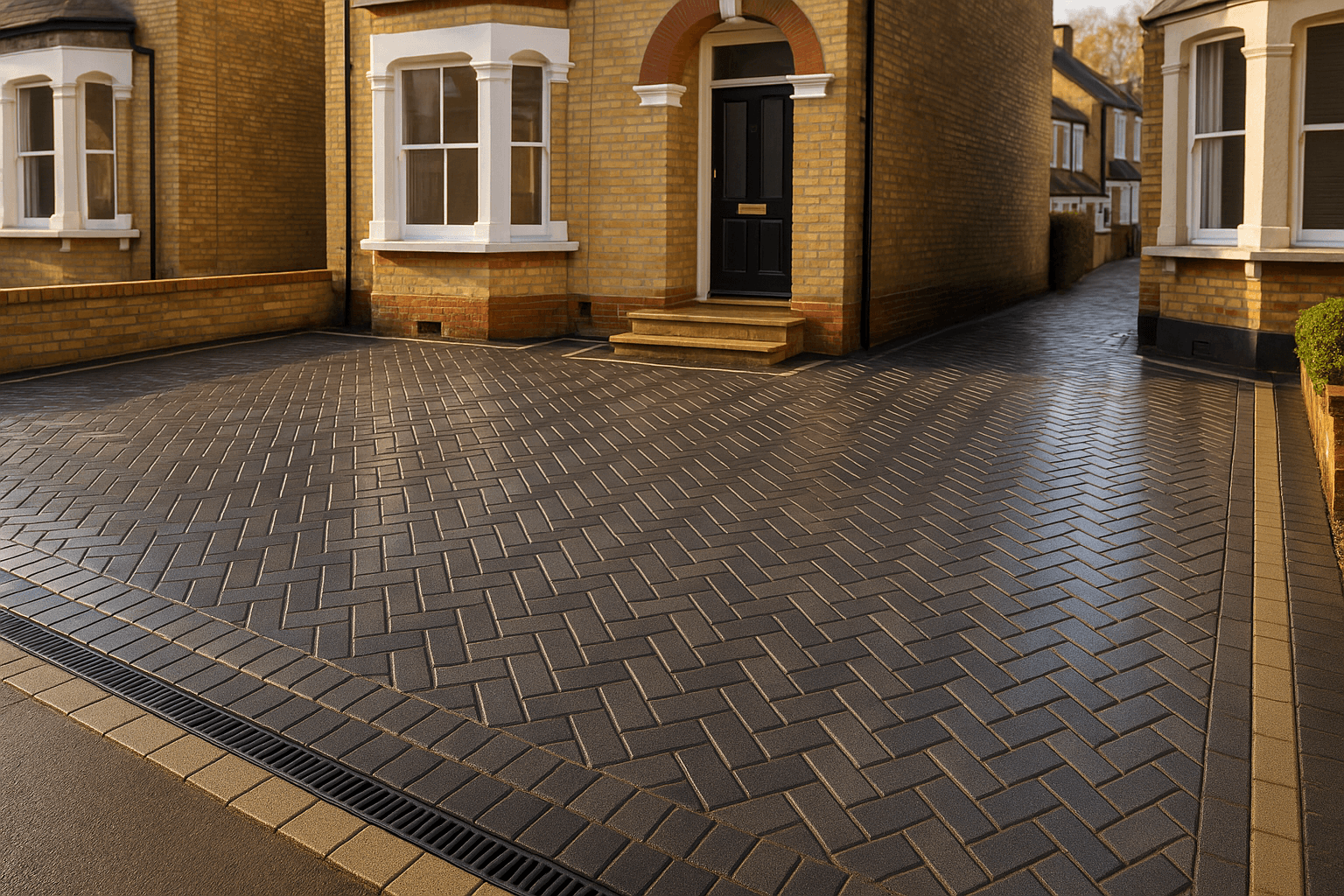
A good patio can completely change how you use your garden. I've been building patios, pathways, and garden hardscaping across London for over 27 years, and the number one thing I tell clients is this: the material is 40% of the cost; the preparation underneath is 60%. Get the base right, and your patio lasts decades. Cut corners on it, and you're relaying it in five years. Let me walk you through what things actually cost.
Patio Costs by Material (2026 London Prices)
| Material | Supply + Install per m² | Lifespan | Best For |
|---|---|---|---|
| Concrete slabs | £60 – £90 | 15–20 years | Budget-friendly, traditional look |
| Porcelain paving | £120 – £180 | 25+ years | Modern, low maintenance, stain-resistant |
| Natural stone (sandstone) | £100 – £160 | 30+ years | Warm tones, traditional character |
| Natural stone (granite/slate) | £150 – £250 | 40+ years | Premium, extremely durable |
| Composite decking | £100 – £170 | 20–25 years | Warm underfoot, no rot or splinters |
| Natural timber decking | £80 – £140 | 10–15 years | Natural feel; needs annual treatment |
For a typical London rear garden patio of 20–30 square metres, you're looking at £2,000–£5,400 for the paving alone. Add groundworks, drainage, edging, and any steps or retaining work, and a complete project usually comes in at £3,500–£8,000 for a straightforward layout.
💡 Builder's Truth: Porcelain paving has taken over the London market in the last five years, and for good reason. It doesn't stain, doesn't moss up like natural stone, and comes in huge format sizes that look stunning. But here's what the suppliers don't tell you: porcelain needs a specific adhesive-on-concrete base, not the sand-and-cement method used for natural stone. If your paving contractor lays porcelain on a sand bed, it will lift within two winters. Always ask how they're fixing it.
Hidden Costs and Preparation Work
The paving material is the visible part; everything underneath is where the real cost lives:
- Excavation: Digging out 150–200mm of soil, plus disposal of spoil. In London, skip hire and parking suspensions add up quickly: budget £400–£800 for a typical patio.
- Sub-base: 100–150mm of compacted MOT Type 1 aggregate. Essential for stability. £30–£50 per tonne delivered.
- Concrete slab (for porcelain): A 75–100mm reinforced concrete base is needed for adhesive-fixed porcelain. Adds £25–£40 per m².
- Drainage: Water must drain away from the house. A simple fall towards the garden is fine for most patios, but if you're paving a large area, you may need a linear drain channel: £400–£800 installed.
- Manhole covers: If there's a manhole in the patio area (very common in London gardens), you'll need a recessed tray cover so a paving slab can be set into it. £80–£150 per cover.
- Steps and retaining walls: London gardens often slope. Each step adds £200–£500, and a retaining wall can be £100–£200 per linear metre.
Natural Stone vs Porcelain: My Honest View
I get asked this constantly. Here's how I see it:
Choose porcelain if: you want virtually no maintenance, a contemporary look, and you don't want to be out there jet-washing every spring. Porcelain is non-porous, so it doesn't absorb moisture, doesn't grow algae as quickly, and cleans with a simple mop. It's the practical choice.
Choose natural stone if: you want warmth and character. Indian sandstone in buff or grey tones has a natural variation that porcelain copies but never quite matches. It ages beautifully if maintained. But be prepared to seal it when installed, clean it annually with a proper stone cleaner, and accept that it will develop some patina over time.
For what it's worth, about 70% of the patio projects I quote now are porcelain. Five years ago it was 70% natural stone. The market has shifted, and the quality of porcelain pavers has improved enormously.
Decking vs Paving: Which Is Better?
Decking works brilliantly in certain situations: raised areas where you'd otherwise need a retaining wall, around hot tubs, or as a transition zone next to the house. Composite decking (Millboard, Trex) lasts 20+ years and doesn't rot, splinter, or need oiling.
Natural timber decking is cheaper upfront but demanding long-term. It needs oiling annually, pressure washing in spring, and it gets slippery in winter. In London's damp climate, timber decking in a shaded garden will be green with algae by November every year. If you go timber, choose a hardwood like Ipe or Balau over softwood.
💡 Builder's Truth: A secret about London garden drainage that nobody mentions: London clay. Most of Greater London sits on heavy clay soil that doesn't drain. If you pave a large area without thinking about where the water goes, you'll end up with a swimming pool every time it rains. We always install a proper fall of at least 1:60 away from the house, and for larger patios, a soakaway or drainage run. Don't skip this.
Real Project Examples
Here's what recent clients in London have spent on complete patio projects:
- Victorian terrace in Lewisham (18 m²): Porcelain paving on concrete base, new drainage, two steps, fence panel replacement. Total: £5,200.
- 1930s semi in Bromley (28 m²): Indian sandstone patio with curved border, raised planting beds in sleepers, garden lighting. Total: £6,800.
- Detached in Harrow (45 m²): Large porcelain patio with outdoor kitchen area, composite decking zone, retaining wall, irrigation. Total: £14,500.
Each project is different, but these give you a realistic sense of the range. If you're also looking at driveway costs for the front of the house, combining both projects often saves money on skip hire and equipment hire.
Planning Permission
Good news: rear garden patios almost never need planning permission. They fall under permitted development as long as the paved area doesn't raise above the original ground level by more than 300mm and you're not in a listed building. Front garden paving has stricter rules around permeability; see my driveway guide for those details.
Thinking About a New Patio?
Send me some photos of your garden and an idea of what you're after. I'll give you a realistic ballpark within 24 hours. Whether it's a simple patio refresh or a full garden transformation, I've been doing this across London for 27+ years and I'm always happy to share honest advice.
Chat with Pimi on WhatsAppWe typically reply within minutes during working hours.
Ready to discuss your project?
Whether you are just exploring ideas or ready to get started, Pimi and the crew are happy to help. With more than 27 years in the business and 120 plus projects delivered, they can guide you at any stage of your journey.
No hard sell and no obligation, just straightforward advice from a team that goes above and beyond.
- Answer questions about costs, timelines and feasibility
- Provide ballpark price ranges based on your requirements
- Explain the process before you commit to anything
- Arrange a free site visit if you want to move forward